
An Attitude of Gratitude
Written by Angela A. Wilson
As a child, were you encouraged to say "thank you" when someone gave you something? Of course, that may have been an attempt to promote good manners, but there may also have been an even more important development occurring. Encouraging children to acknowledge and express thankfulness is the basis for cultivating an attitude of gratitude.
Being aware, or mindful, is a foundational step to the development of gratitude. Our world is full of wonder and amazement that can easily be overlooked. Life moves at a rapid pace that requires seemingly constant attention to tasks and checklists. Often, without meaning to do so, we unobservantly pass by the jewels, gems, and precious things that give value to life.
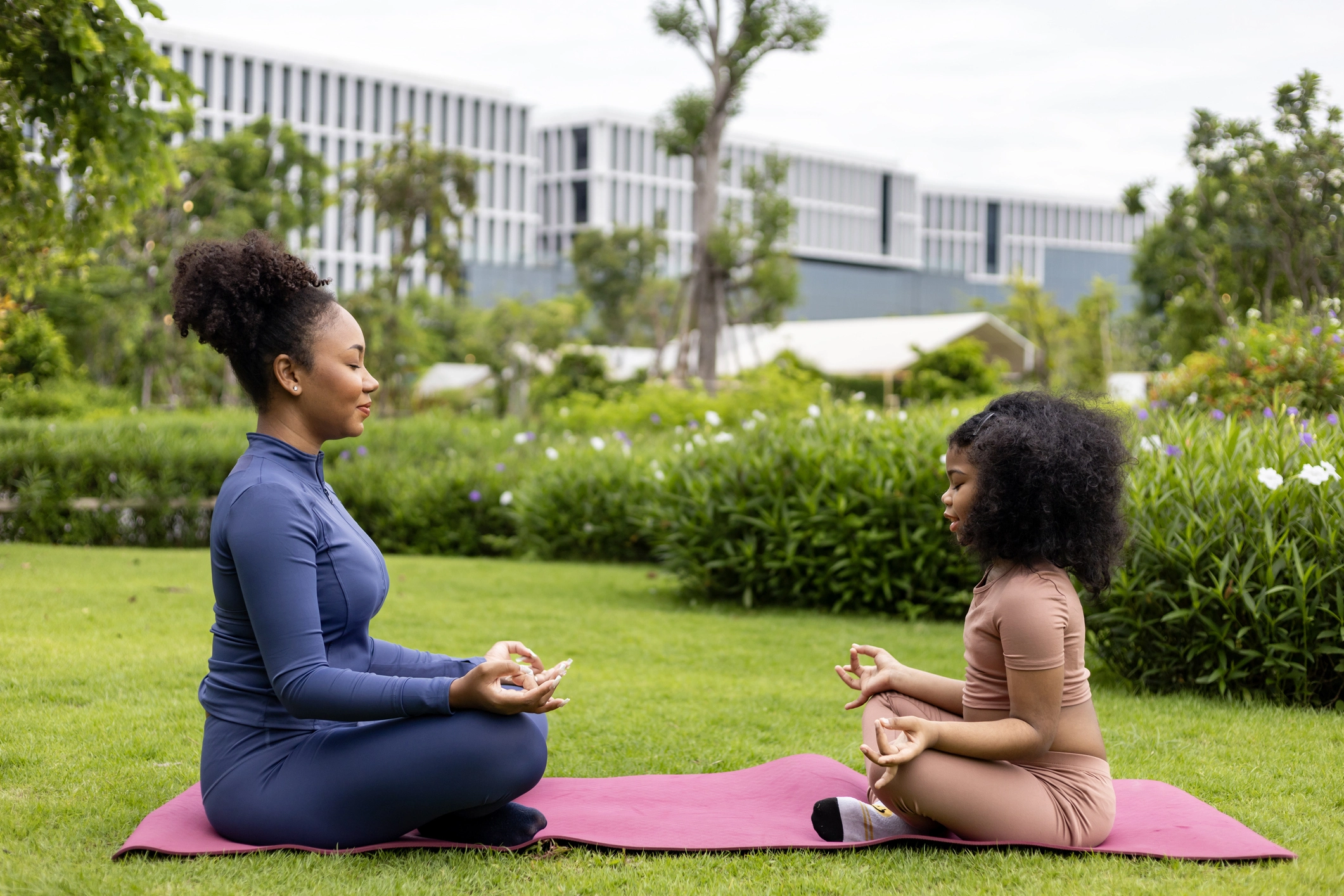
Mindfulness helps us to slow down and focus on the beauty of the moment. Taking time to be aware of the sensations in your body, what you are seeing, hearing, tasting, smelling, and feeling, brings us to a place of consciousness and intentionality. Mindfulness objectively brings awareness to situations and surroundings. It acknowledges difficulties, complications, and challenges, but deliberately identifies the positive aspects, and highlights them. Whenever you bring your full attention and focus to the present moment you will take stock of the little things that make life amazing. The old saying, "Take time to smell the flowers" holds an even deeper meaning than we may have ever realized. In moments of mindfulness, as we ascribe value to our joyful emotions and pleasurable experiences, thankfulness is kindled.
Thankfulness can be described as a joyful state of mind or an appreciative feeling because of receiving a benefit from something or someone. Because of the intrinsic nature of feelings, an individual can be mindful, aware, and even thankful, without ever expressing it. It’s true, you can stand right beside someone who is experiencing an intense emotion of thankfulness but has no physical indication or expression that communicates what they may be feeling on the inside. Gratitude differs from thankfulness because it requires action.
“The word gratitude is derived from the Latin word gratia, which means grace, graciousness, or gratefulness (depending on the context). In some ways, gratitude encompasses all of these meanings. Gratitude is a thankful appreciation for what an individual receives, whether tangible or intangible.” (Simon, 2018).
Developing an attitude of gratitude is like training your brain, emotions, and eyes to intentionally look for the positive aspects in everything, in everyone, every day, and expressing gratefulness for it. Whenever you make the deliberate choice to focus on the positive, new pathways of thinking are hard-wired in your brain. Researchers, Joshua Brown Ph.D. and Joel Wong Ph.D. (2017) have determined that people who embrace an attitude of gratitude demonstrate "greater neural sensitivity in the medial prefrontal cortex, a brain area associated with learning and decision making. This suggests that people who are more grateful are also more attentive to how they express gratitude.”
Making the deliberate choice to focus on life’s treasures, hard-wires new pathways in your brain. Just as it is with learning any new skill or developing a new habit, the more you practice gratitude, the better you will become. It’s like making a conscious choice to view life through a “gratitude lens” that highlights and attracts affirmation, validation, and esteem. In the words of Robert Braathe, "Gratitude and attitude are not challenges; they are choices."
For years, I dreaded visits to the doctor's office. The sight of a nurse approaching me with a cotton swab drenched in alcohol, and a needle, was enough to give me an anxiety attack. While I was fully aware that well visits would increase my quality of life, the fear of getting a needle stick filled my mind with a feeling of dread. I needed to make an intentional choice to view wellness healthcare through a gratitude lens.
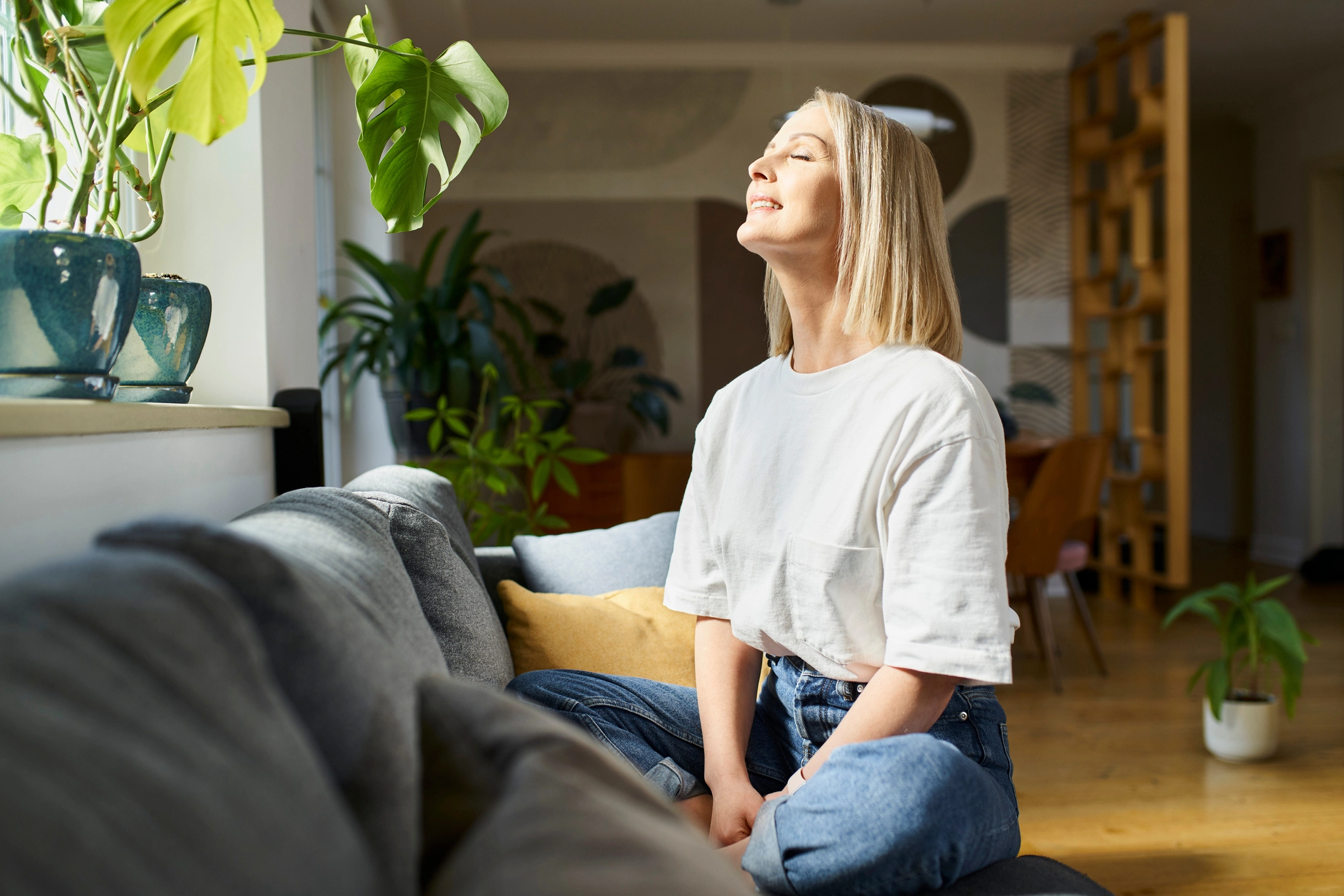
One afternoon, upon arrival at my doctor’s office, I rehearsed in my mind how blessed I was to receive preventative health care. I told myself that needle sticks were a small price to pay for a clean bill of health and that I was fortunate to be afforded such quality health care. The more I expressed gratitude, the calmer I felt. I repeated this affirmation several times before entering the examination room, “I am grateful for the medical care that helps me to maintain a great quality of life.” I reasoned in my mind how the screenings were necessary to validate good health. When the nurse asked me to roll up my sleeve so that she could collect a blood sample, I chose to respond with gratitude. As she vigorously cleansed the injection site with alcohol and a gauze swab, I took a deep breath, and exhaled while saying to her “I am really grateful for the medical care that helps me to maintain a great quality of life.” My body relaxed because I learned how to appropriate the benefits of expressing gratitude. Focusing on the positive helped me to change my mindset, decrease my stress level, and ultimately have a pleasant doctor’s visit.
An attitude of gratitude yields tremendous benefits. People who embrace gratitude as a way of life have better physical, social, and emotional health. They tend to rest better at night and are more alert during the day. They have reduced feelings of depression, and a better sense of self-worth. They are often more generous, forgiving, and compassionate. Gratitude also lowers blood pressure, reduces inflammation, reduces stress, and decreases the risk of depression.
As we work together to enhance learning experiences for the young children that we serve, move beyond simply saying thank you to intentionally modeling gratitude. Make the deliberate choice to notice, acknowledge, and appreciate the beauty around you, and teach your children to do so too. Pause to bring attention to children’s efforts and accomplishments, no matter how great or small. Remember that gratitude requires action; develop creative ways to express your positive thoughts or emotions to your students. Provide children with the vocabulary to express kindness, compassion, and equity in your classroom practices. Consider helping children to express their gratitude by creating tokens of appreciation for classmates and family members, or verbally sharing compliments. Cultivate a learning environment that invites, celebrates, and promotes an attitude of gratitude. In the words of Robert Braathe (2014) “Gratitude and attitude are not challenges; they are choices.”