
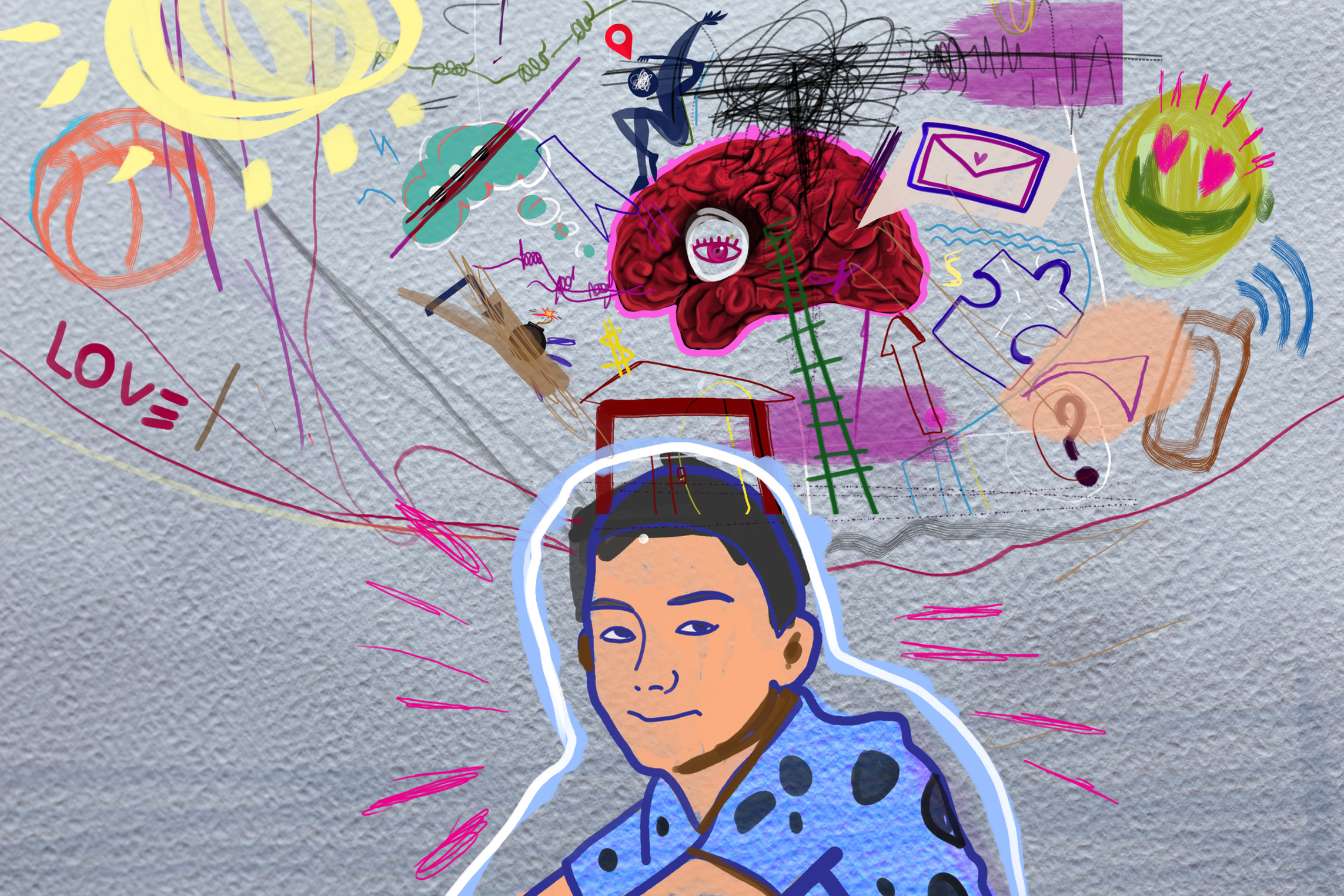
On the Topic of Early Childhood Education and Mental Health
Written by Anifer De Los Santos, M.S.Ed. & Dr. Michelle Alexandria Payne, D.Min., LMHC
Childhood mental health is a topic that has gained a lot of traction in recent years. Due to the pandemic, it has specifically been highlighted, and legislators are enacting policies and funding programs that seek to address the mental health needs of children in both academic and community settings. These initiatives illustrate that clearly, there is an intersectionality that exists between education and mental health. In classrooms across the globe, educators are learning about the importance of developing and enacting emotionally responsive practices. The cognitive as well as social-emotional development of every student needs to be nurtured. Different techniques are being employed and mental health counselors, psychologists, and social workers are on-call. Writer and educator, Anifer De Los Santos communicates that mental health is not something that is taught or expressed in Latin households. She notes that in Latinx/Hispanic communities, mental health, and mental illness are often topics that are shunned, causing adults and children to suffer in silence. There’s always the stigma of the famous saying: "La ropa sucia se lava en casa" (do not air your dirty laundry in public). This is typically the response you receive when you mention or express mental health concerns.
Pastoral and Clinical Mental Health Counselor, Dr. Michelle A. Payne sees the parallel that exists in the Latinx/Hispanic community and her own. Being of African American descent she often heard the phrase, “Do not tell your family’s business.” Though it often remains taboo in minority households mental health is overall, the most essential part of a child’s health. As children are still developing cognitively and physically it is important to provide children with tools that they can utilize to express themselves in many ways. However, achieving this goal requires parents to also seek mental health support and knowledge. The mental health of children is connected to their parent’s mental health. Family environments have a strong link with the child’s behavior, performance, and quality of life. This is all a chain; the impact of a dysfunctional upbringing can be passed on to the next generation. A secure family environment that fosters positive emotional development and good self-esteem has the most reward in adulthood. It allows the opportunity to reach adulthood with minimal psychological challenges. There's power and freedom that comes from feeling safe in your mind and your body. Writer and Family Psychologist Ashleigh Warner wrote something that surely resonates with us as related to the functionality of the behaviors of children. She states “Beneath every behavior there is a feeling. And beneath every feeling there is a need. And when we meet that need rather than focus on the behavior, we begin to deal with the cause, not the symptom.” Such insight is reflected in the poem entitled Today I raise my voice by the Artist AMMAE:
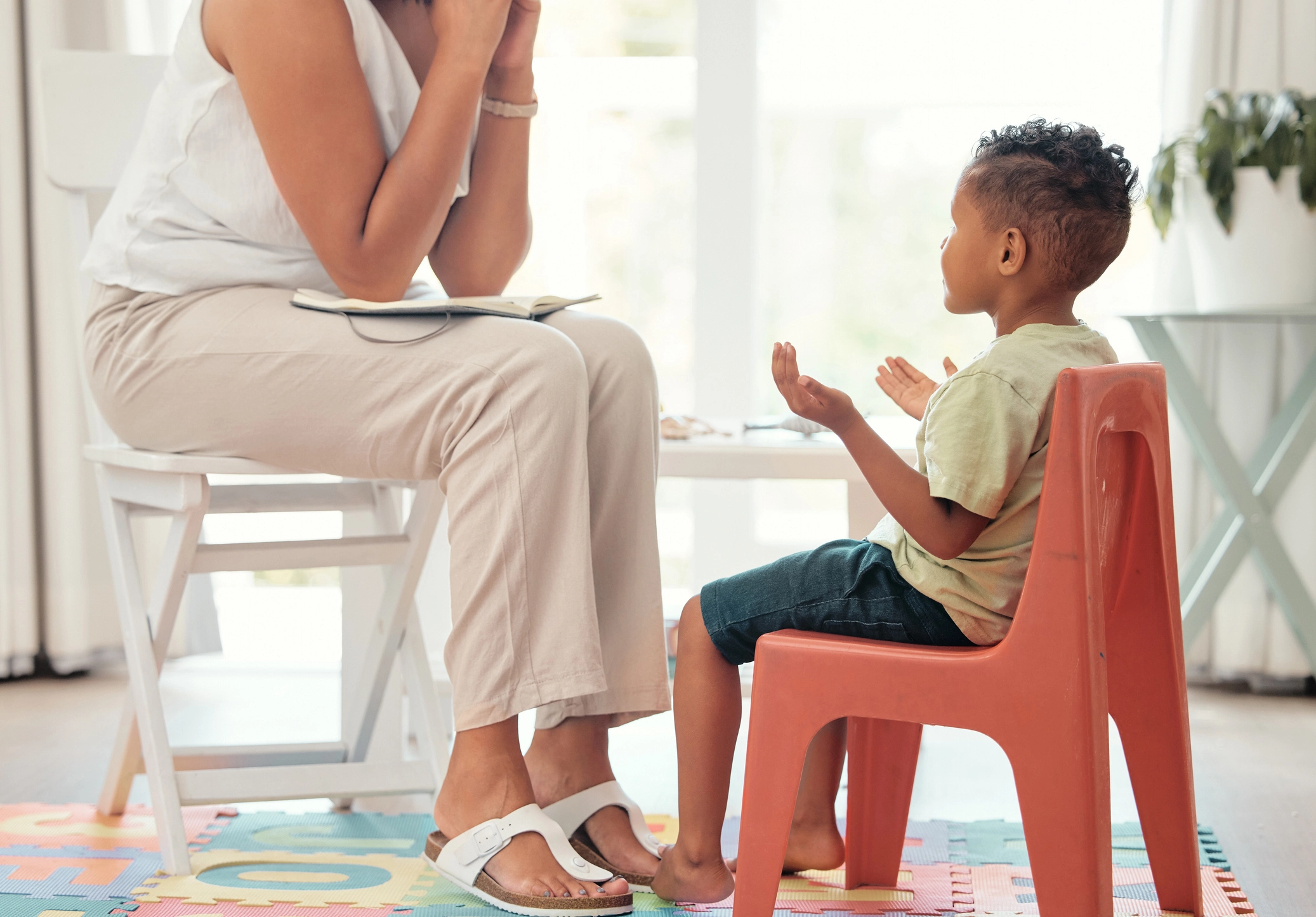
Today I raise my voice.
I cry.
I shout.
I scream.
I wiggle my torso.
I kick my feet.
I flail my arms about.
This is the only way I know to
Express my wants.
For I want to be swaddled in the
Warm arms of my guardian
Wooed to sleep.
Feel the pulsating rhythm of their sacred beat.
Upon my back
I need their lap.
A place of comfort known as home
This is the space in which I make myself known.
For I need nurturing
Gentility’s gift
The warmth of an embrace
The soft sound of a kind voice
A kiss on my brow that lets me know I am not alone.
And my guardian will not abandon.
For I am sacred and precious
and worthy of all that time has to offer.
A gem in the eyes of the creator and all whose hands
Were laid upon me while I was nestled in my mother’s womb.
Everything about my formation, my mind, my body
and all that gives to it, breath.
Sings “Today, I raise my voice.”
As adults, we are all learning the importance of being able to listen in diverse ways. We learn to listen not only with our ears, but with our bodies, hearts, and minds. We know the importance of viewing each child as a person. Sure, they are small in stature but the impact of our effect on who they are and who they are becoming will outlive us. Our children, as the famous singer Whitney Houston sang, are the future and we are indebted to ensuring that their future is bright. We are indebted to ensuring that which lives in their hearts, that which lives in their minds, and that which lives in the vessels formed in the wombs of their mothers, is expressed and received. We must be receptive, always. Personal Coach Cheryl Richardson notes, “People start to heal the moment they feel heard.” When our children express such hurt, we are tasked with listening so that they are healed and so that their laughter will resound in classrooms and in their homes. Our ability to be able to bring a greater level of mindfulness will aid each of us in our ability to accomplish this feat.